
Too many developers treat their sales offices like expensive art galleries – beautiful to look at, but disconnected from business outcomes. But your sales office is a high-performance machine that should be measured, tuned, and optimised like any other revenue-generating asset.
The most successful property developers understand that effective sales office measurement extends far beyond simple sales tallies. They track every interaction, measure every outcome, and use data to transform their spaces from pretty showrooms into conversion powerhouses.
Let’s explore the essential metrics that separate high-performing sales offices from expensive showrooms.
Essential metrics every sales office should track
Conversion metrics
Your conversion funnel reveals exactly where prospects drop off and where your sales office excels. Start with these four critical conversion rates:
Visitor-to-enquiry conversion measures how effectively your space compels casual browsers to engage seriously. This metric indicates whether your sales office creates the emotional connection necessary for deeper engagement. When this number disappoints, it’s usually because your space overwhelms rather than inspires, or fails to communicate what makes your development special clearly.
Inquiry-to-appointment conversion shows how effectively your team capitalises on initial interest. This stage often reveals the effectiveness of your initial engagement process and follow-up systems.
Appointment-to-sale conversion reveals how well your environment builds confidence and reduces purchase anxiety during crucial decision-making moments. When prospects can visualise themselves living in your development, this number increases.
Your overall visitor-to-sale conversion provides your ultimate performance benchmark. This comprehensive metric encompasses your entire sales funnel effectiveness and represents the true measure of your sales office ROI.
Engagement metrics
Beyond conversions, engagement metrics reveal how visitors interact with your space and content.
Average visit duration reveals whether you’re capturing attention or losing it. Quick visits often signal confusion or disinterest, while extended stays typically indicate genuine engagement.
Return visitor rate demonstrates your space’s ability to nurture consideration over time. Properties with longer sales cycles benefit significantly when visitors return, often bringing family members or peers for second opinions. Low return rates may indicate insufficient follow-up systems or failure to create memorable experiences.
Referral rates from visitors measure your sales office’s word-of-mouth power. When visitors become advocates, referring friends or family even before purchasing themselves, you’ve created something special. Tracking these referrals, whether they convert immediately or not, provides insight into your space’s broader market impact.
The bottom line
Smart developers track the financial efficiency of their sales operations alongside conversion metrics.
Cost per visitor encompasses everything from your initial fit-out to daily operations, divided by foot traffic. Understanding this figure helps justify every design decision and marketing dollar.
Cost per sale reveals your true customer acquisition cost through the sales office channel. Track this over time to see if your space is becoming more efficient or if diminishing returns are setting in.
Sales velocity – how quickly visitors move from first contact to signed contracts – directly impacts your cash flow and inventory turnover. Faster isn’t always better, but consistently long cycles often indicate decision-making barriers in your process or space.
Sales office design that delivers results
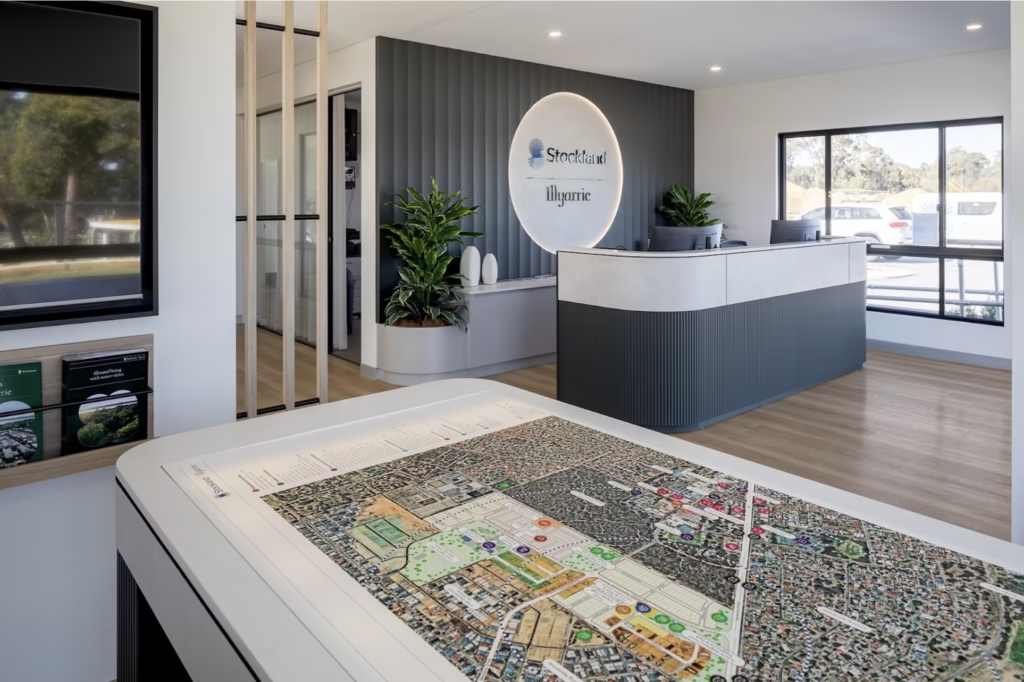
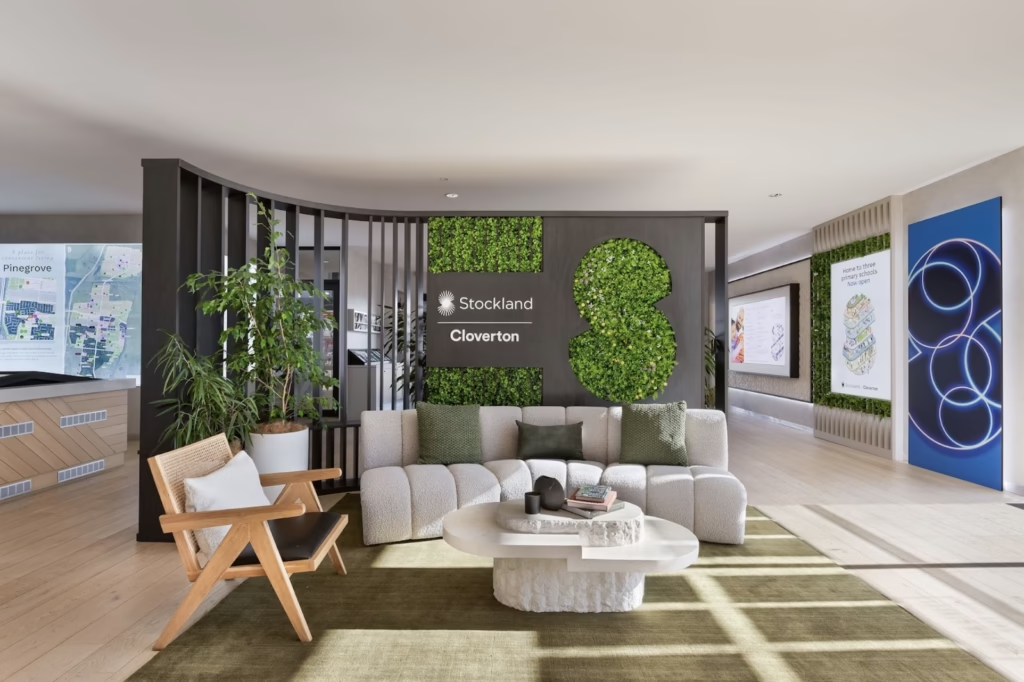
Your sales office design directly impacts every metric we’ve discussed, but not in obvious ways. Thoughtful spaces guide visitors through logical information journeys, reducing cognitive load while building emotional connection.
We recently saw a simple layout change deliver dramatic results. By repositioning the main display to create a natural gathering point and adding strategic lighting to highlight key information, visitor engagement time increased substantially, and inquiry rates followed suit.
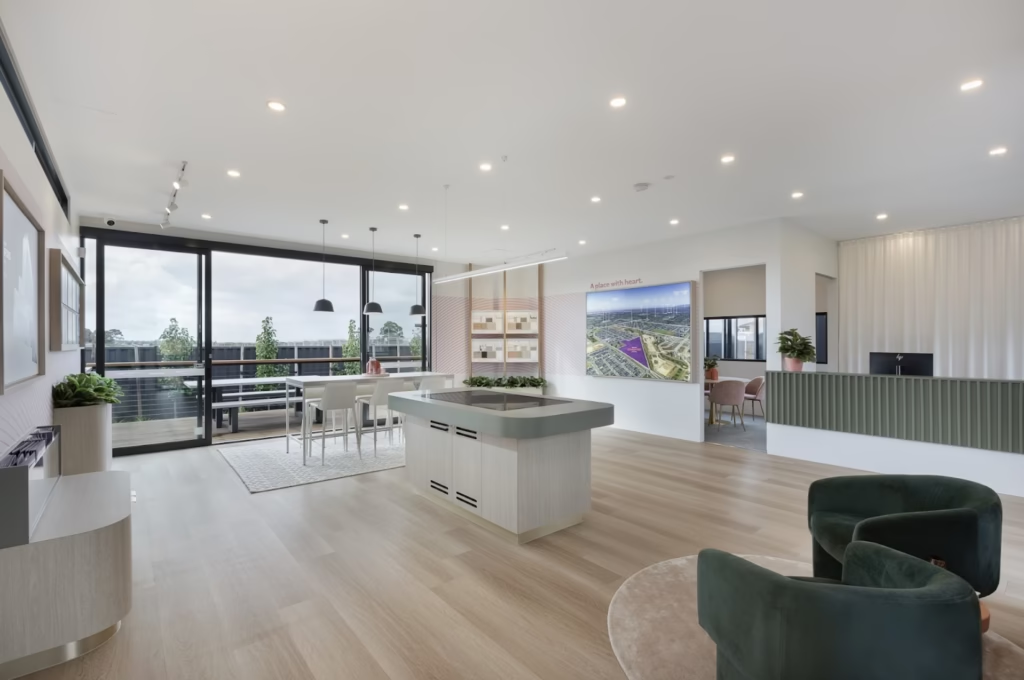
The best sales offices balance inspiration with information, creating environments where purchase decisions feel natural rather than forced. This balance shows up clearly in your metrics – longer visit durations, higher return rates, and ultimately, better conversion numbers.
Strategic technology integration can amplify these effects. Interactive displays that let visitors explore floor plans and customise finishes typically boost engagement while improving information retention. The key is to enhance rather than replace human connection in your sales process.
Your next move
Measuring sales office success is incredibly important. Start by establishing baseline metrics across your entire conversion funnel, then systematically test improvements to space layout, sales processes, and visitor experience elements.
Let’s talk about what your sales office could achieve with the right design approach. Contact Diva Works today.