
Relevant, Not Redundant: The New Role of Sales Offices in Selling DevelopmentsI
The Urban Developer posed the question: “Will Tech Kill Display Suite?” in its August 2025 online article, and, being the purveyor of all things sales office, it immediately piqued my attention.
So here’s my TLDR answer: Farq No.
The longer answer: REALLY, NO.
I agree with the article. Sales Offices are evolving. When I first started in Property Marketing in the mid-90’s on Mirvac’s Beacon Cove Development in Port Melbourne, I was driving an 85” Gemini with pinstripes and the standard sales office had blokes shoved behind cheap, chipped, white melamine desks, thumbing through the Herald Sun and eating a bag of dim sims for breakfast. As you entered the sales office – emphasis on office, there was scant attention paid to the customer experience – the salesman sized you up to see whether you were a legit buyer and warranted an interruption in the Dim Sum consumption.
I’m not nostalgic for those days. I’m thrilled to see that marketers, sales teams, and customers have embraced tech. After 25 years plus in the industry, I see PropTech as a powerful amplifier of the sales offer, not a replacement, for well-designed, on-brand physical environments that are all geared to provide the best experience for the buyer. For big, emotional, high-risk purchases – such as buying into a development or off-the-plan purchases – customers want both the confidence of digital information and the reassurance of a real, human, tactile space.
No lie. Sales offices are not a cheap form of marketing, and costs are rising as more sophisticated materials and talented tradespeople are used to execute them. Rising costs are also a guardrail for us here at Diva Works and form the basis for our briefs: how do we design a space so that every display, every feature, every brand message, every touchscreen earns its keep?
Higher costs are also coming through the use of tech, as developers embrace immersive experiences, touchscreens, and LED walls that create an “experience centre”. In the article, leading developers like Fortis aren’t saying they are abandoning the sales office; they’re evolving them into brand platforms and true experience centres where customers can touch, feel, and engage in a more active experience.

Me, not in the Gemini, building the Diva Dream.
Buying off-the-plan or a greenfield land site is still one of the biggest and riskiest financial commitments someone can make. I have form here – I bought my apartment off the plan in late 2018. Despite my years in the industry and knowing which (small) list of builders to avoid due to their reputations for low-quality builds and an emphasis on slicing and dicing for maximum yield, I still approached the buying process with trepidation and clenched butt cheeks. I absolutely haunted the sales office of my chosen development. I came with a list of questions and a tape measure. I bought swatches of my existing furnishing and dragged in cushions to match the finishes of the display apartment. I opened and closed cutlery drawers. I studied the lighting plan, tested the vanity’s height and ensured there was a power point for my hair dryer in a convenient location. I kicked off my shoes and walked across the tiled and carpeted floors to feel what it felt like underfoot. None of these experiences is available to you solely through screen-based tech. Sales Offices are not just “mock apartments”; they accelerate trust and the buying process. Once I could touch and feel the quality of finishes and have all my questions answered by the sales team, I could move forward and buy with confidence. I was not being sold on the screen-based version of the development; I was buying certainty. In these VERY uncertain times, this is as good as money in the bank.
I’m also pushing back on the idea contained in the article that scale models “don’t give you a lot”. This is not what I am seeing for myself in a multitude of sales offices across Australia. In fact, I would argue that we are seeing a resurgence of scale models, and my 19-year-old self, who made cardboard and Canson-Paper models of home designs while at Uni, is tickled to see it. TICKLED, I tell you.
First of all, we have the mothership of all scale models (Done By Porter Models!) at Everdene – nearly 2.4 metres long, which shows the extent of Mirvac’s thoughtfully considered masterplanned estate in great detail.
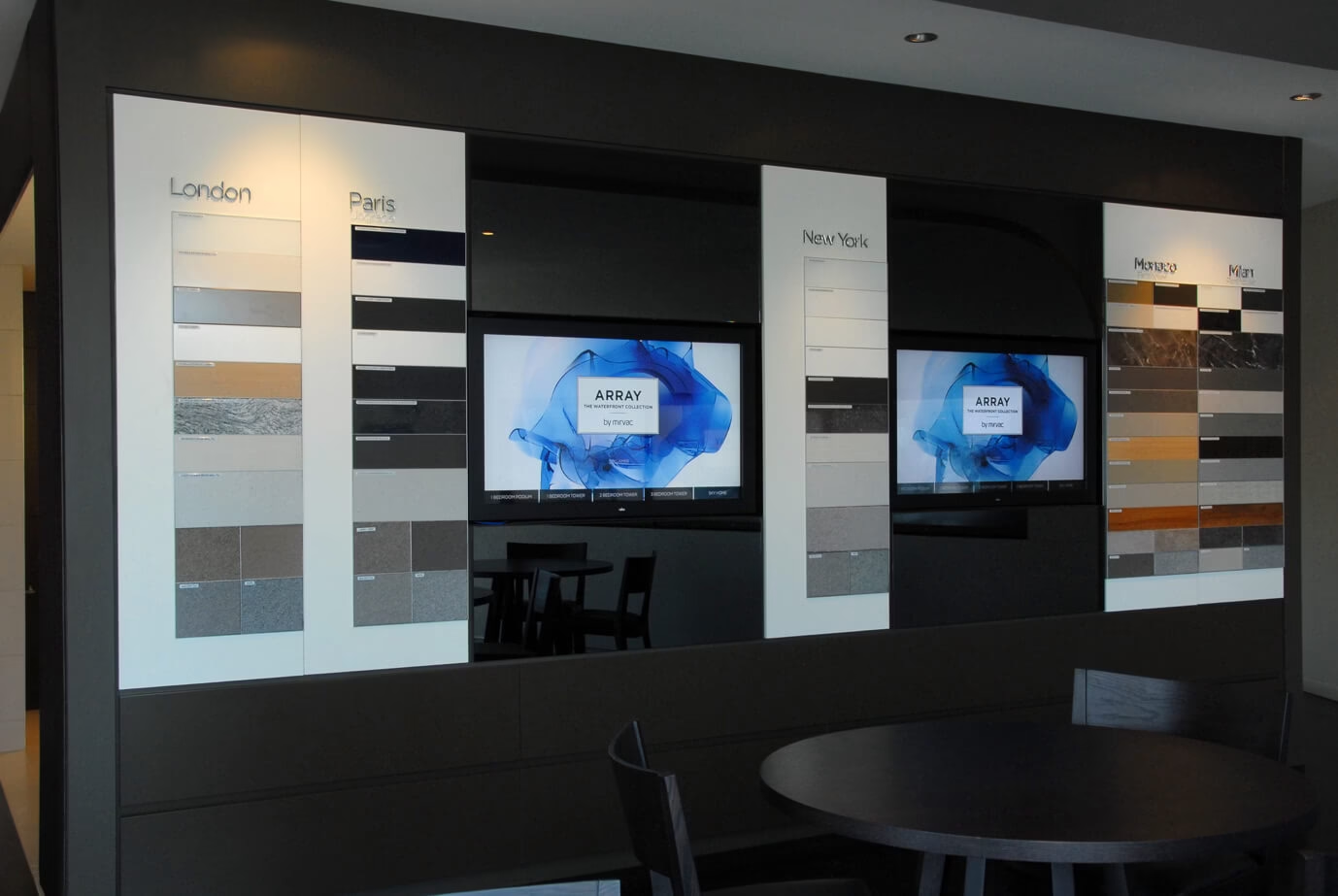
Even the sales offices of 2013 knew the value of the tech and tactile combination. Photography by Marly Brown.
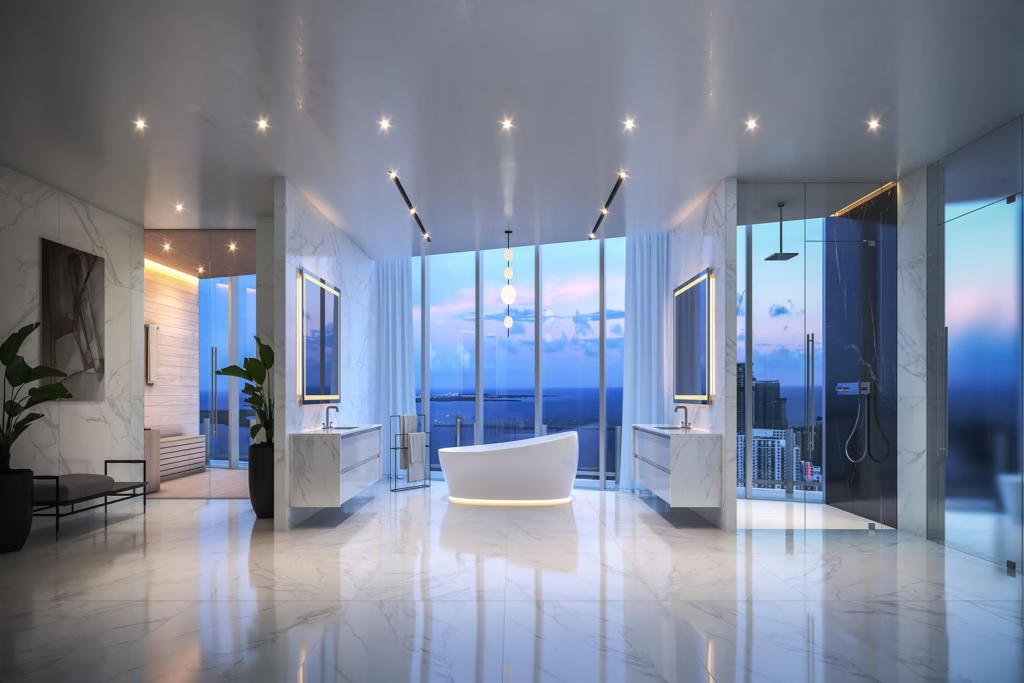
Or the twin “one-two” knock-out punch of Mirvac’s Isle masterplan and apartment models at Waterfront (done by VH Models!), where you can even get your future apartment “lit up”. And oh look, what is this? The touch screens, the models and wall mounted screens all interface to provide an unmatched customer experience where you can even see the view from future home.
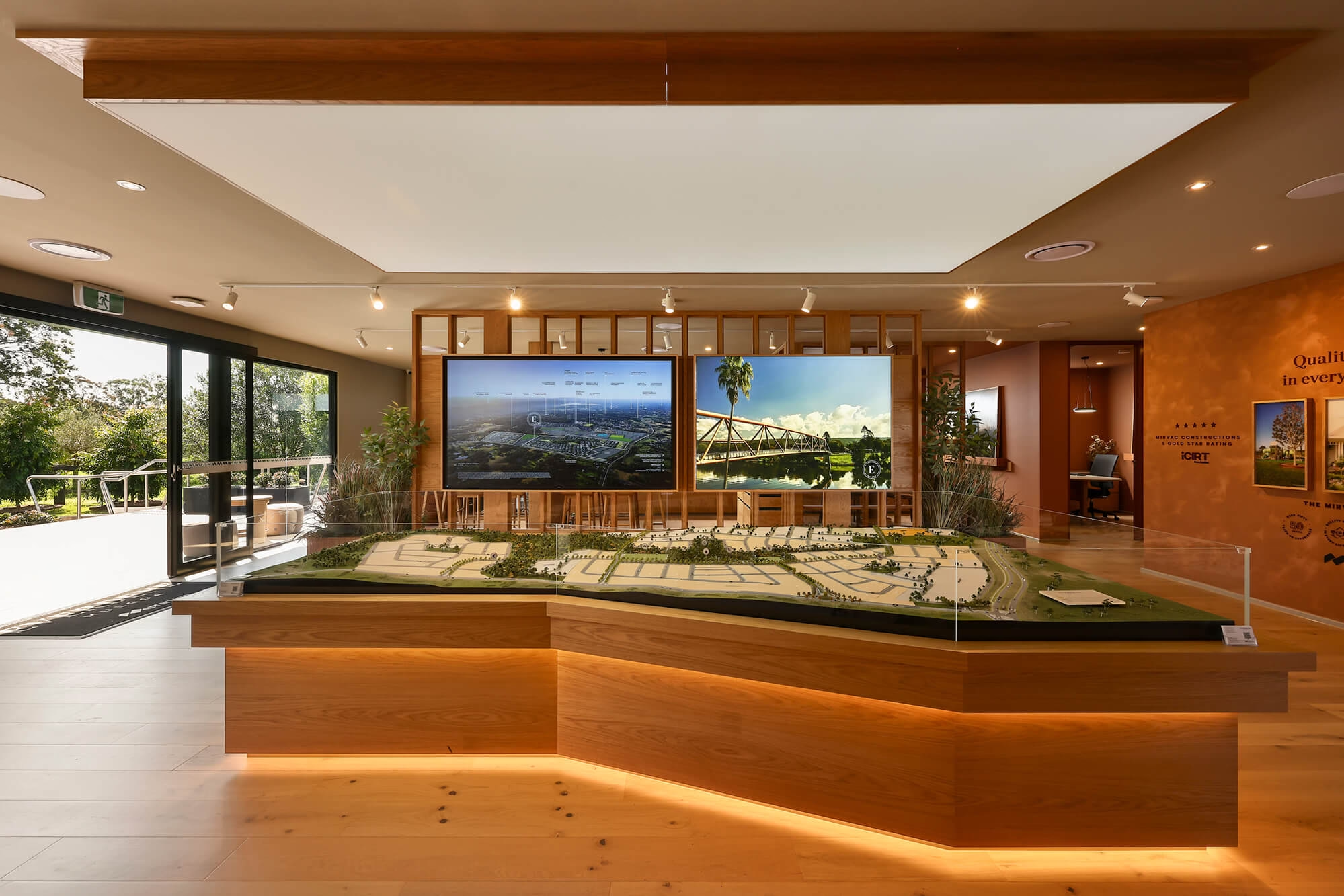
Everdene Sales office Model. Photography by Walter Macris Studio.
All of these models have customers frothing.
There is nothing comparable to help buyers get a sense of the development’s scale and position within the adjacent area. The rise and fall of the land, nearby amenities, and infrastructure such as major roads and railway stations can all be included in the model. Development models remove the confusion for buyers. If I told you “Everdene is 206 hectares”, you would rightly glaze over. We don’t have a daily experience with those sorts of size measurements. But if I showed you this on a 3D architectural model, you’d immediately appreciate the size of the estate. The ROI for a model is massive – it’s something that the buyer is instantly drawn to, and a relationship with the sales consultant is built from.
I don’t believe a developer needs to choose between an immersive tech solution or a physical space. The sales offices we’re designing, delivering, and selling out developments are recalibrating on how the two work together across the entire sales campaign. The best practise sales offices we’re producing are just a singular customer journey, they flow between:
- Arrival Zone: introduction to the brand, reassurance about the developer’s name and cred, and a warm welcome (no hard selling!).
- Project Orientation: digital tools, 3D models and graphics for site context, displaying what’s actually for sale and upcoming or current availability.
- Tactile Immersion: feature materials, joinery details, mood lighting, and styling that bring the brand and quality to life. A “resimerical” (a mix of the residential and commercial) experience, if you like!
- Decision and discussion spaces: places to sit, talk, compare options, buyer portals, and touch screens or hard copies of plans and collateral without feeling rushed.
The tech is integrated throughout the sales office and is positioned where it naturally enhances the buyer experience rather than detracts from it. Tech is led by the message, not the other way around.
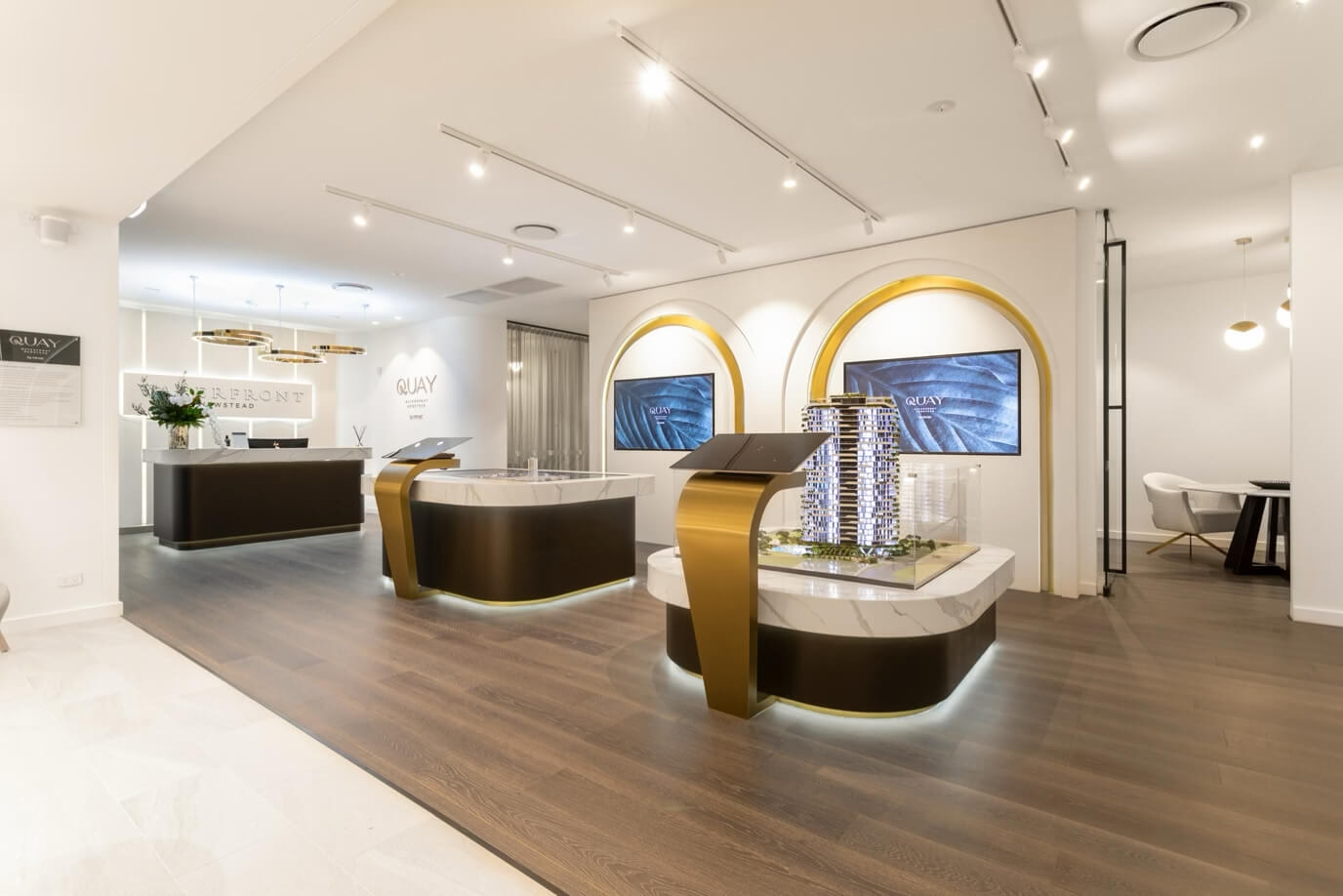
Waterfront Sales office Model. Photography by High Shots Photography.
Sales offices are certainly evolving – as they should. No one wants the “dudes behind the desks” scenario to return. Tech that supports the buyer process is here to stay, and I love that. The developers who invest in the seamless integration of tech into the physical sales office space will see their developments sell out, sooner. After hundreds of wildly successful sales offices, we know what to keep, what to cut and how to make every touchpoint – from the front door mat to the touchscreen – do its job.
Ready to make your next sales office work harder than ever? Let’s grab a dim sim and chat about a hybrid sales office strategy, without the stress. Book time with me here
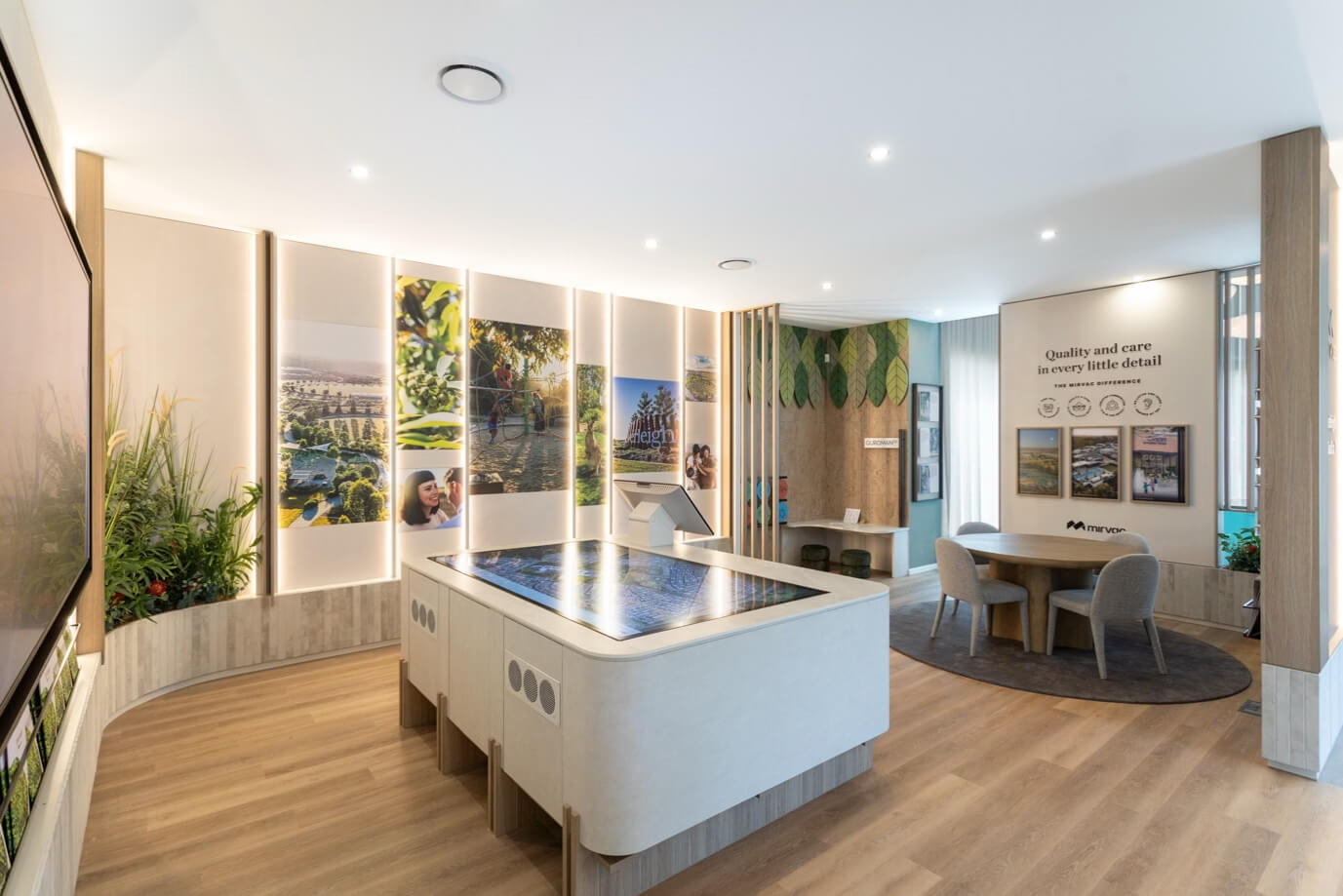
Everleigh/Kindira Sales Office for Mirvac. Photography by High Shots Photography.